A NOTE FROM THE SHARE CO-SPONSOR
Before establishing a Unit Based Team, the SBO had already been consistently improving. Still, morale among the staff was rocky. Just before we launched the UBT, I attended a staff meeting like none I’d ever seen, one that brought the whole department together . . . except that management stayed out of the meeting so that the staff felt more comfortable to speak freely.
The conversation was led by staff member and SHARE Rep Laurie Abernathy. The staff speculated about how to deal with their many frustrations: turnover had been high, management had been difficult to contact when angry patients needed to be escalated. Their idea-board ideas were stuck in the parking lot, and they found themselves often unable to communicate about essential things. The staff felt adrift and underpowered, detached from other departments in the hospital, and even from their own management structure. But they clearly wanted to do the best job they could, taking care of patients and one another.
At the request of the staff, Laurie brought the concerns and ideas back to me as their SHARE organizer, and to SBO Director, Joy Cournoyer. Joy listened thoughtfully, intent to make improvements. And now that we’re UBT Co-Sponsors together, I’ve gotten to see firsthand how the UBT structure has provided new ways for leadership to support and champion this Team.
Together with Management Co-Leads Michelle Locke and Rebecca Boutilette, Laurie and a half-dozen other SHARE members have been meeting as a team every two weeks. As a result of their UBT, I’ve seen the whole department better enabled to bring their expertise and compassion more consistently to every interaction they have with patients. They have a great story to tell . . .
--Kirk Davis, SHARE Staff Organizer and UBT Co-Sponsor
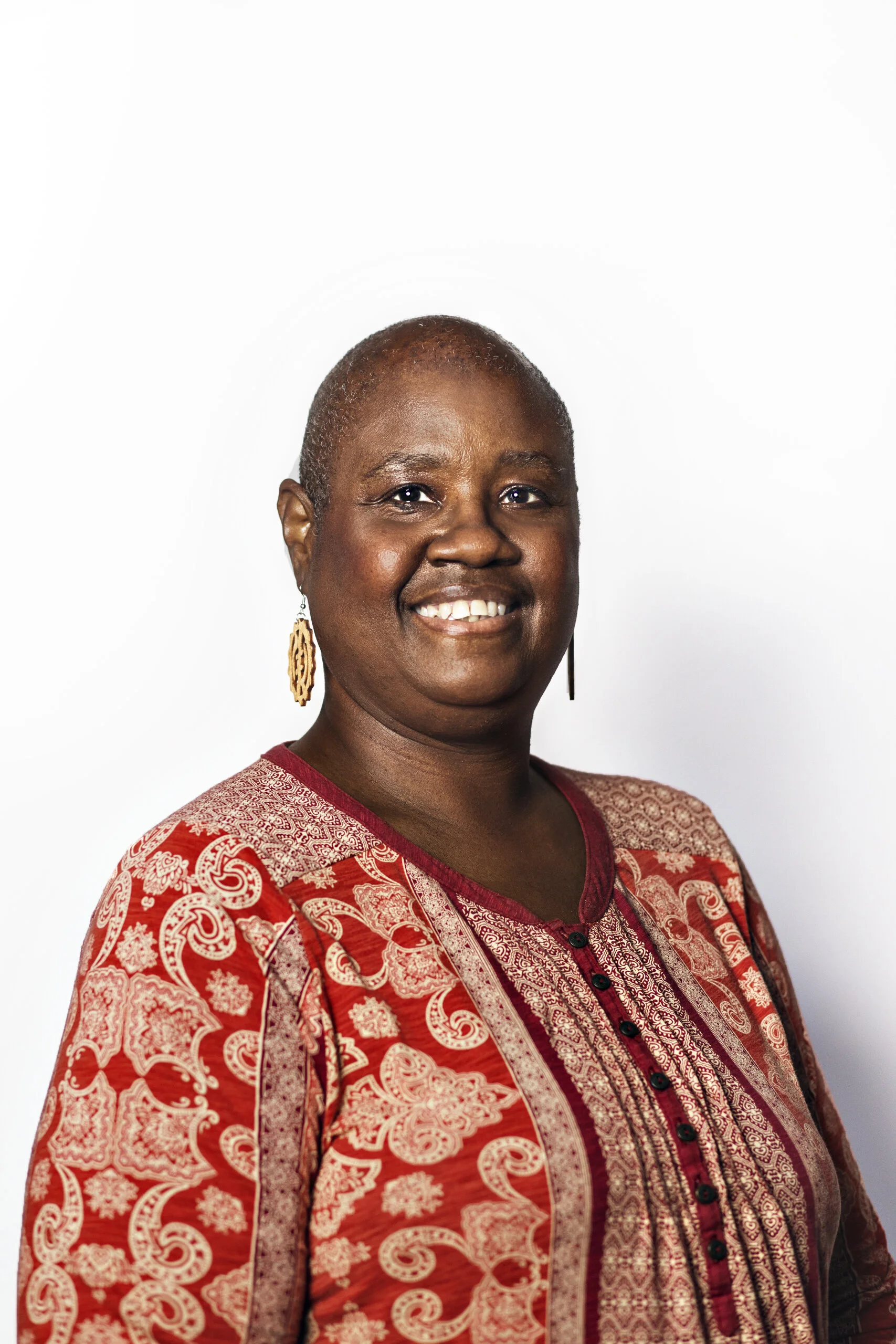
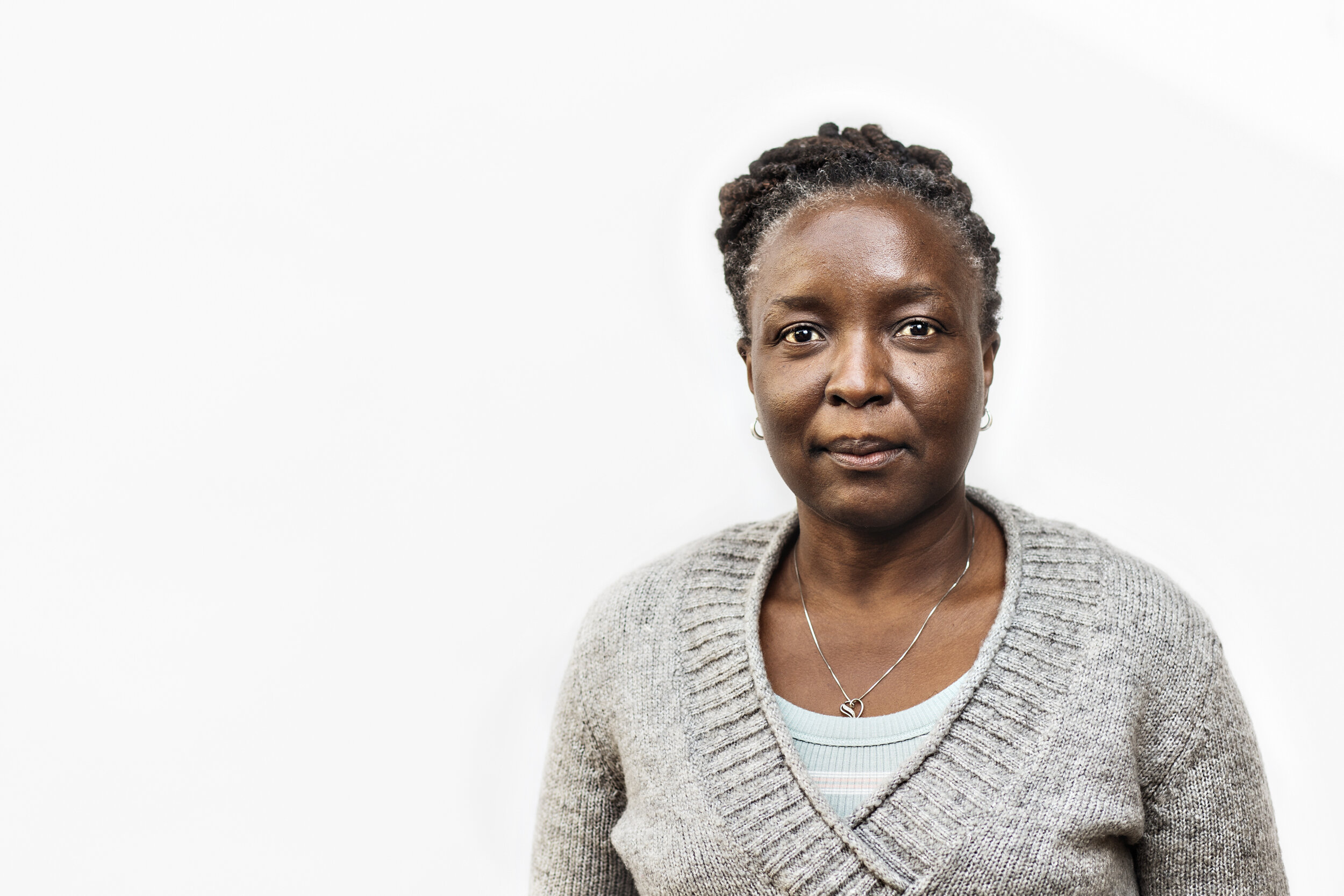
Michelle Locke & Laurie Abernathy,
SBO UBT Co-Leads
Interviewed by Rafael Rojas
The Unit Based Team: First Impressions
Laurie: I first heard of the UBT when I became a union rep. It was about two years ago when I first heard of the idea, and I immediately thought,” Oh my goodness, my department needs this so bad, we could really flourish from working through this system. We’ve always had ideas, and we’ve usually been able to figure out what the problem is, but we would have a hard time with figuring out how to solve them. We would resort to putting a band-aid on top of a band-aid until some change down the line would just blow all of our band-aids off and we would be forced to start from square one.”
Michelle: So much progress has been made in our department as a result of the UBT. I can honestly say that in my short amount of time here, that I’m unsure that we would have even been put a lot of our goals on the list of what we needed to improve. The UBT has forced us in a good way to hold our feet to the fire. We are making a commitment to the UBT, but also to everyone in the department and it’s a great thing to feel responsible for. We are making changes that will help in the future past the pandemic as well, which is just really exciting.
The First Challenge: Updating the Process Documents
Michelle: When this UBT formed we had a tough time deciding exactly what metrics we would follow to track our progress and improvements, but these have proven to be helpful, and we are still constantly thinking of different and better ways to measure these changes.
Michelle: Our primary, but also biggest obstacle and challenge that the UBT has taken on has been updating our process documents. Our process documents are not only outdated, but they lack information of many processes that happened in our department. Those documents that we did have were scattered throughout a SharePoint site that were not easily accessible. If a representative was looking for information while they were on the phone with the patient, they would be stumbling on the phone just to get them that information. In addition to that, being in the office brought the advantage of being able to lean over and get help from a coworker or from one of the two team-leads that were present on the floor. This is something that simply could not translate to working from home, and it became urgent for us to figure out how to organize this information for the representatives and a patient. We wanted to be sure that we could not only get the patients the information in a timely manner, but to get them the entirety of their information accurately.
In order for us to take on all of these process documents, we as a team have to figure what is the most important document. Where do you start when you take a look and see a hundred or more process documents that need to be updated, where do you even begin? We took a lot of time in meetings and in person, but primarily since we’ve been home, it’s taken a lot of time as a group to get together and brainstorm what is going to be the most beneficial for who’s on the telephone – so let’s first put together our list of process documents, then let’s prioritize them in order of which will have the biggest impact. Then comes the challenge of deciding who will write these process documents? It’s great that we know we need all of these documents, but who has the skills and who has the time to write all of these documents? Working on this from home has been extremely challenging, but we are making significant progress on this end.
UP-ENDED BY THE PANDEMIC
Michelle: Our UBT has been in existence for a little over a year now. When it started, we were a department that was working in an office together, so the dynamics were very different from what they are today. At first, we would meet in a group environment, but after March of last year it shifted to working from home and meeting remotely. This change had a big impact on a lot of people’s lives and really shook up the department. It is not that the UBT was pushed to the side, but we simply had a lot on our plate and certain changes did not allow for the UBT to receive the amount of time that it deserves. The priority was first to make sure that everyone was safe and settled at home as the setting of our work shifted. It was only for a few months that the UBT received less time than we had hoped, but we got right back to it as soon as we were acclimated to working from home.