Labor Day Updates: Negotiations, Union Plus Scholarship, Survey Report & More
How SHARE & UMass Memorial Negotiate: Interest-Based Bargaining
SHARE and UMass Memorial’s Negotiations are now officially underway with training for the negotiating teams. Our union aims to avoid the unproductive tug-of-war that comes along with traditional negotiations. Instead, we use a method called “Interest-Based Bargaining,” or IBB. Last week, Brandeis professor Joel Cutcher-Gershenfeld educated both the SHARE and UMass Memorial Negotiating Teams about how IBB works.
The strategies used in IBB can be useful for anyone to use in the day-to-day, too, negotiating things in your department and even at home.
In our experience, SHARE members get better outcomes as a result of IBB, partly because we can better focus on the things that matter most to members. During our last negotiations, the SHARE team used IBB to negotiate new career pathway programs, improvements to tuition assistance, and the ability for members to design their own work through expanded Unit Based Teams, among other things. (The 2022 agreement also secured a minimum 21% raise over 4 years for SHARE members, and maintained our Defined Benefit Pension and Health Insurance benefits.)
SHARE Member Awarded Union Plus Scholarship
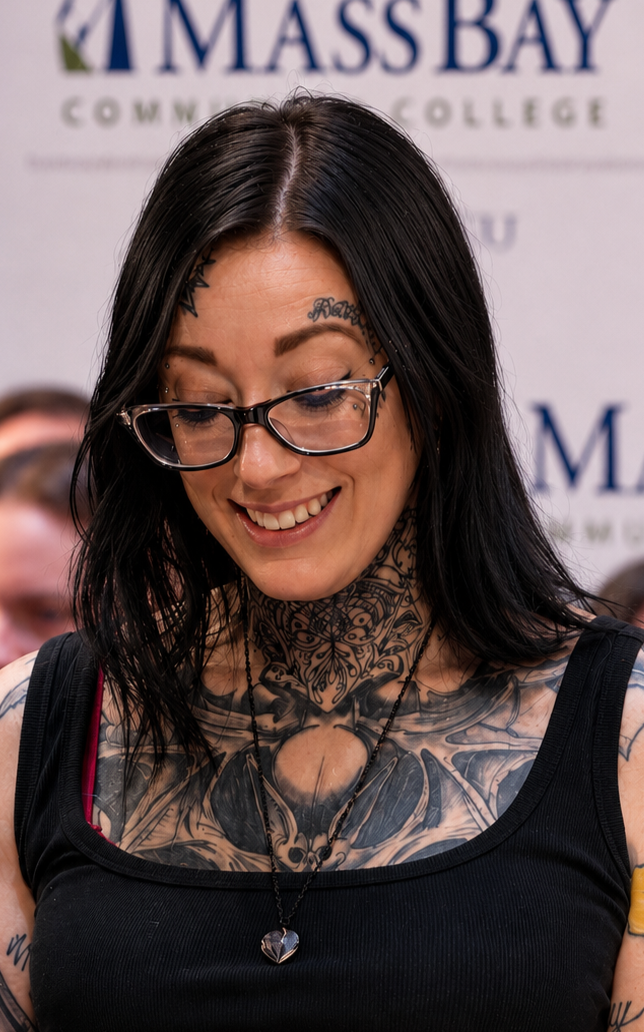
Kayla Breault from the Patient Access Center has won a national Union Plus Scholarship. She is currently studying toward her business degree at MassBay while working to schedule patients for the appointments they need in our hospital. Kayla is studying for a future helping young people facing hardship to get a strong education themselves — and she wants fellow SHARE members to know this scholarship opportunity is open to them too. Applications for the next round are due January 31, 2027; see this entry in the SHARE blog for more about Kayla’s win, plus more details on this scholarship and other education opportunities.
SHARE Contract Survey #2: What You Told Us About Respect at Work
This spring, 1,456 SHARE members took our Respect Survey, telling us what it's really like to work at UMass Memorial. The results show that most of you find real purpose in your job and feel supported by your coworkers — but only 45% are satisfied with how much say you have in decisions that affect your work. Pay, respect, and staffing are the top reasons members think about leaving, while feeling respected and having a strong manager relationship are closely tied to staying. The full report also breaks down much more, including how disciplinary meetings are going and what having a voice through UBTs looks like.
A Bill for Healthcare Worker Safety Is One Step Away from the Governor's Desk
A bill (H.4767/S.3171) has been proposed in the state legislature that would require Massachusetts hospitals to run annual violence risk assessments, build real prevention and training programs, report incidents to the state every year, and give assaulted workers paid recovery leave. It's already passed both the House and Senate and is now in a conference committee working out the final language before it goes to the Governor. For SHARE members on the front lines — especially in ERs, inpatient units, and psych units where incidents happen most — this could mean real protections and paid time to recover, backed by a rare consensus between hospitals, nurses, and unions.
Welcome, Shanice!
The SHARE Organizing Team is happy to welcome Shanice Vassar, SHARE’s newest staff organizer. Shanice previously served as elected SHARE Representative, and worked at UMass Memorial for eight years, most recently as an MA in the Shrewsbury Family Medicine Clinic. She’s only in her second week at SHARE, but she’s already hard at work, learning about the nerdier technological aspects handled in the SHARE office and the broad range of things that SHARE Organizers do. She even filled her weekend with Labor Day activities. You can read Shanice’s account of the 2026 Central Massachusetts Labor Day Weekend Dinner here.
Labor Day 2026 & SHARE’s 30th Anniversary
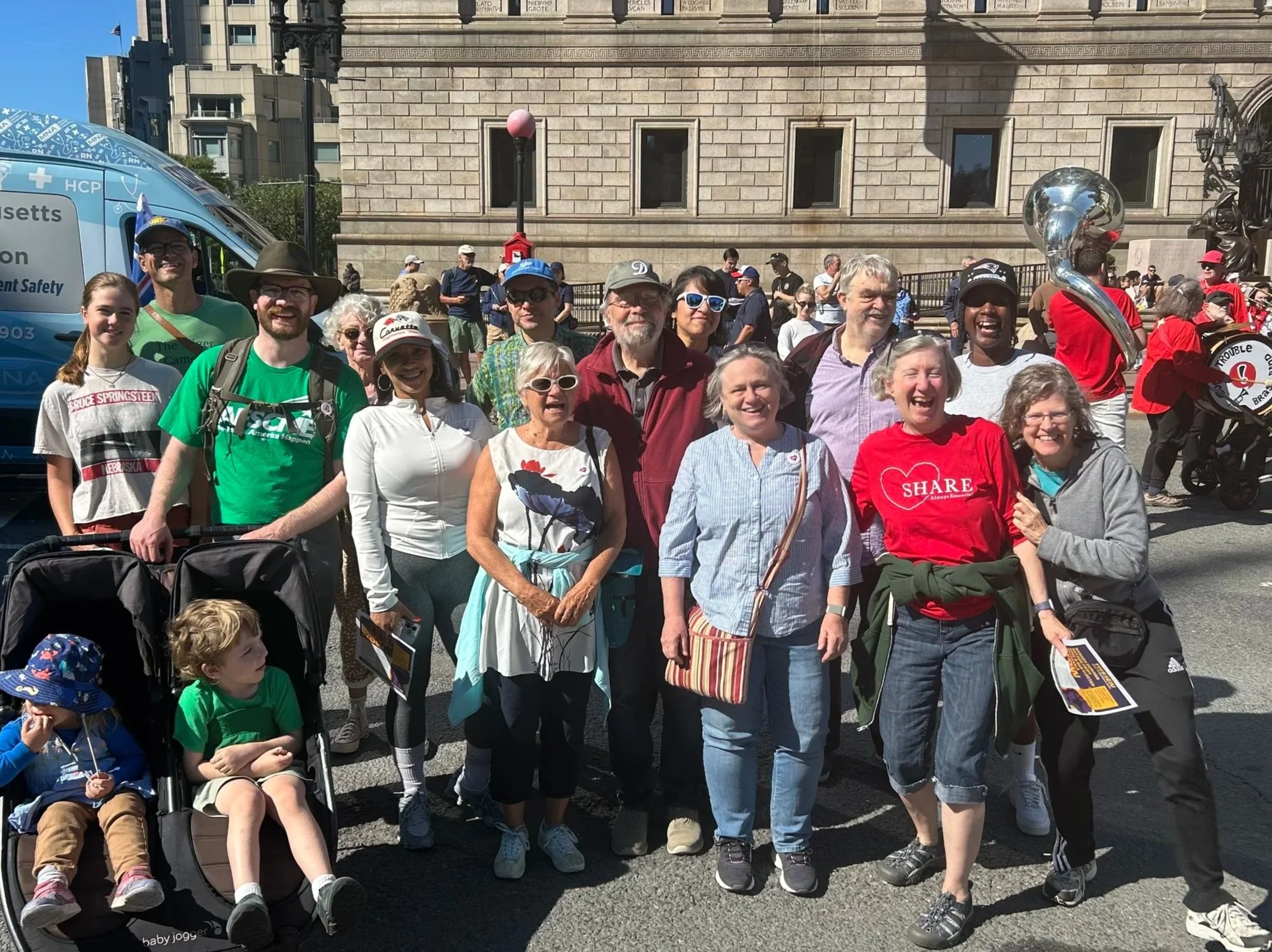
SHARE Organizers also joined unions and workers’ rights groups from around Massachusetts at this year’s Boston Labor Day Parade.
Massachusetts obviously has a rich history, and the history of workers here is an important part of that. As the U.S. Department of Labor describes, our state was among the first to institute the holiday: “Oregon was the first to pass a law recognizing Labor Day, on February 21, 1887. During 1887, four more states – Colorado, Massachusetts, New Jersey and New York – passed laws creating a Labor Day holiday.”
Massachusetts has actually been at the center of American labor organizing since the 1830s, when the "Lowell Mill Girls" formed one of the country's first unions of working women to protest wage cuts and dangerous conditions. That fight helped push Massachusetts to become the first state in the nation to limit working hours by law, setting a precedent that spread across the country. Decades later, the 1912 "Bread and Roses" strike in Lawrence brought together immigrant textile workers of dozens of nationalities and languages to win better pay and hours, proving that solidarity across difference is what makes a union strong.
In 1988, clerical and technical workers at Harvard University, primarily women, organized our sister union, HUCTW, after a patient, decade-long campaign, showing that even in the shadow of one of the world's most powerful institutions, workers who stick together can win a voice on the job. This month – as SHARE celebrates its own 30th anniversary and we prepare to negotiate another contract, we're standing in that same Massachusetts tradition of sticking together – making things better for ourselves and our community.