
Interest-Based Bargaining: What It Is, and Why We Do It
Heading back to the bargaining table, SHARE and UMass Memorial will again use Interest-Based Bargaining (IBB), the same approach we used to build our Labor/Management Partnership, and the same approach we used in our past several negotiations. To learn more about our accomplishments in the last negotiations, click the button below.
The Orange Example
The principles of IBB can work in any kind of “negotiation.” For example, imagine two sisters are fighting over the last orange in the kitchen. Their mother, trying to be fair, cuts it exactly in half. Both girls walk away unhappy.
That's what happens with positional bargaining. Each girl stated a position — "I want the orange" — and the mother resolved it the only way positional bargaining knows how: split the difference. It looks fair. It satisfies no one.
If the mother had asked why each girl wanted the orange — gotten underneath the position to the actual interest — she'd have learned one daughter wanted to eat the fruit, and the other wanted the peel to zest into a cake. Their interests weren't actually in conflict at all. One girl could've had the whole peel, the other the whole fruit inside — each getting 100% of what she needed, instead of 50% of what she asked for.
That's interest-based bargaining in miniature:
Positions are what people say they want ("I want the orange").
Interests are what they actually need it for (to eat it / to bake with it).
A negotiation that trades only on positions tends to land on a compromise that shortchanges everybody.
A negotiation that surfaces interests first can sometimes find a solution where both sides get more than half — because the sides were never really competing over the same thing to begin with.
This lesson doesn't claim every negotiation hides a free win. Sometimes interests really do conflict and trade-offs are unavoidable. But you can't tell which situation you're in — a real either/or, or a hidden win-win — until you stop trading positions and ask why.
“Even when you’re negotiating across the table from managers and hospital leaders you deal with regularly, taking the time up front to establish a good process saves time, confusion, and frustration in the long run. ”
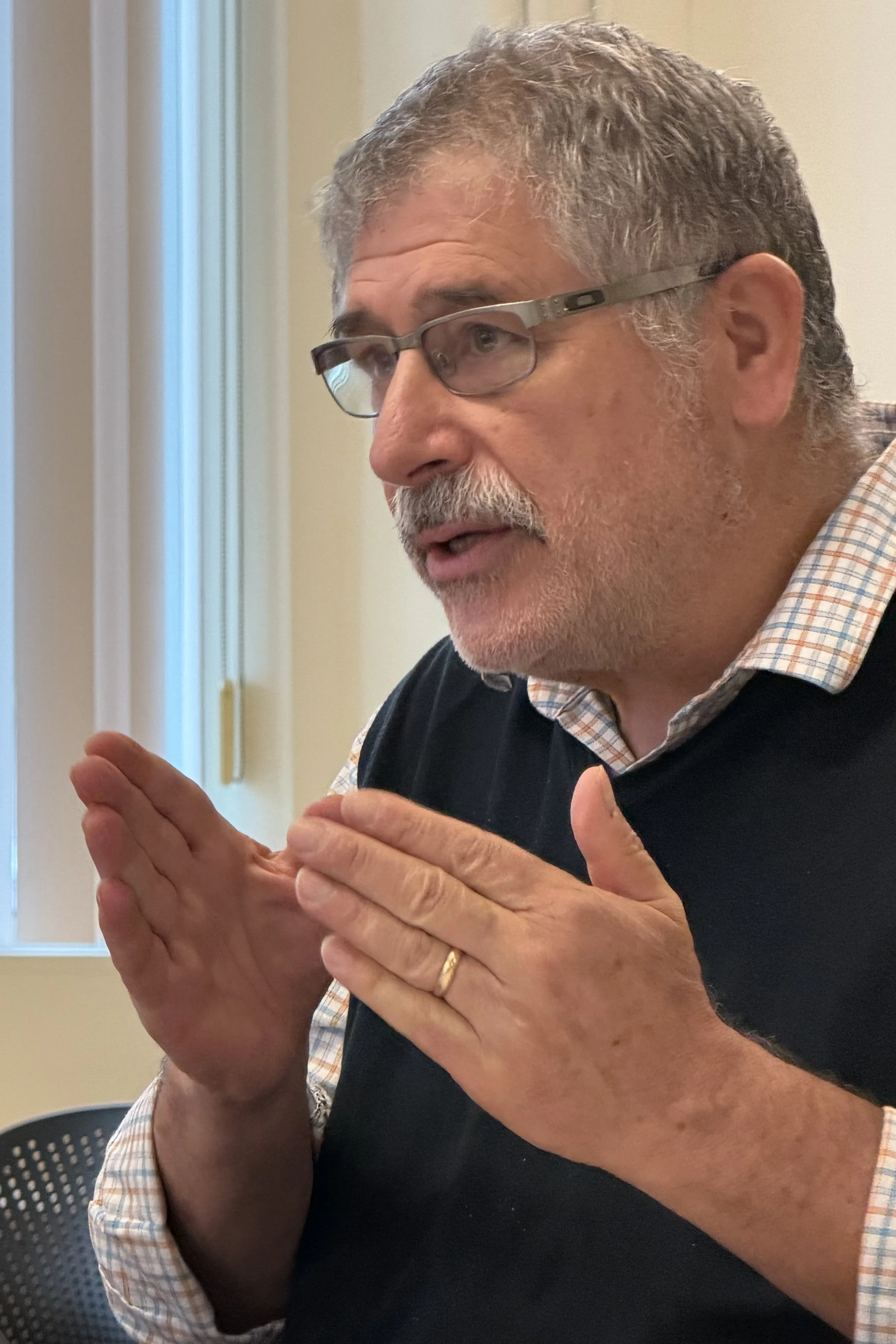
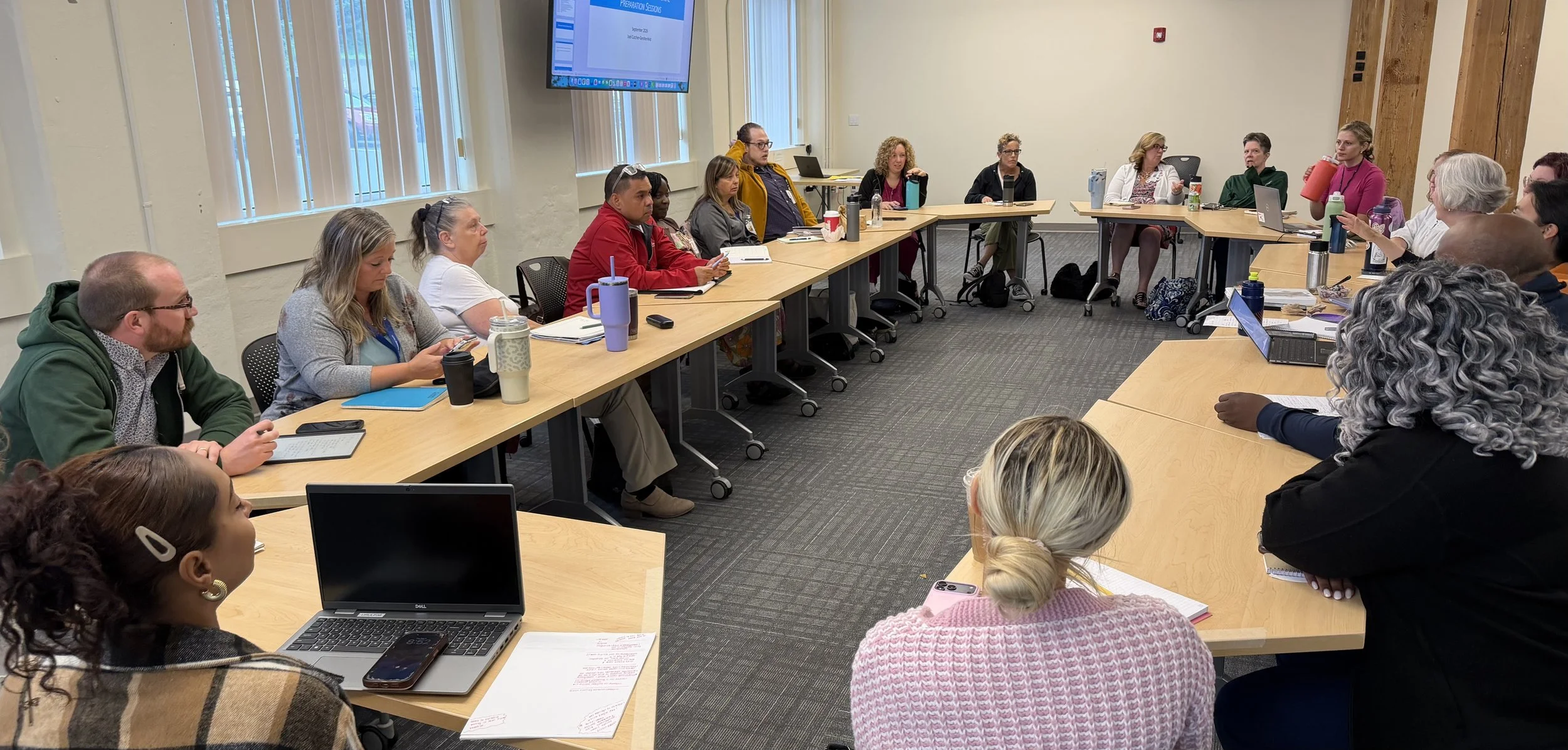
To help us all have a good base of knowledge, we’re getting trained again by Joel Cutcher-Gershenfeld, a Brandeis professor and one of the country's leading scholars on labor-management partnerships — the same expert who has helped foster transformations like the Ford-UAW turnaround.
Although both negotiating teams have seasoned IBB negotiators on board, there are members of both teams, too, who are new to the process, and to contract negotiations altogether. For our first sessions SHARE’s Medical Center Negotiating Team is learning alongside SHARE’s Marlborough Hospital Negotiating team.
IBB Isn’t “Traditional” Negotiating
Most people picture contract negotiations as two sides sitting across a table, each holding a list of demands, and slowly trading concessions until someone blinks. That's traditional, or "positional," bargaining, as the example of the orange illustrates. It tends to produce winners, losers, and a lot of friction along the way. In the long run, bad blood can interfere with implementing the contract language and maintaining healthy working relationships.
Interest-based bargaining works differently. Instead of opening with fixed positions, both sides start by naming their underlying interests — the real needs behind the ask. A scheduling proposal isn't just "we want X shift pattern"; it's "we need predictability for parents on our units" or "we need enough coverage that nobody's forced into unsafe overtime." Once those interests are on the table, both sides brainstorm options together — jointly, out loud, before anyone commits to a solution — and test those options against everyone's stated interests rather than against who has more leverage.
Done well, IBB isn't about either side "giving in." It's a different philosophy of bargaining altogether: one built on information sharing, active listening, and joint problem-solving, aimed at agreements that actually hold up over time because both sides had a hand in shaping them — not just signing them.